Advanced Diagnostic Imaging: Building Scalable Platforms in a High-Growth Healthcare Market
Jun 2026
Advanced diagnostic imaging (ADI) has emerged as one of the most attractive and strategically important segments within healthcare services. Demand for imaging continues to grow, supported by demographic trends, increasing prevalence of chronic disease, expanding use of preventative medicine and greater reliance on diagnostic data throughout the patient journey.
At the same time, providers are navigating workforce shortages, increasing technology investment requirements and rising expectations around clinical quality, patient access and operational efficiency.
These dynamics are driving significant investment activity across the sector. Strategic acquirers, private equity sponsors and infrastructure investors continue to view diagnostic imaging as a compelling healthcare subsector characterized by resilient demand, attractive growth characteristics and multiple avenues for value creation.
As the market evolves, scale, technology adoption and operational sophistication are becoming increasingly important differentiators. The organizations best positioned to succeed will be those capable of combining clinical excellence, digital innovation and disciplined execution within scalable operating platforms.
Summary
- Lincoln International's experts outline the opportunities for management teams and investors in advanced diagnostic imaging.


Lincoln International Perspective
Lincoln International has been at the forefront of healthcare services and diagnostic imaging advisory, supporting founders, management teams, private equity sponsors, infrastructure investors and strategic acquirers across the sector.
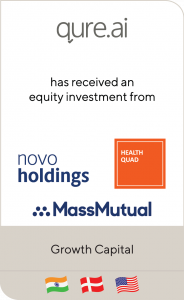
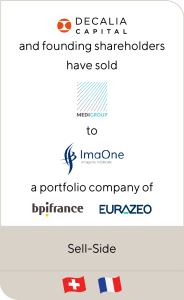
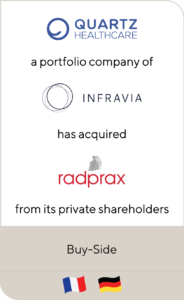
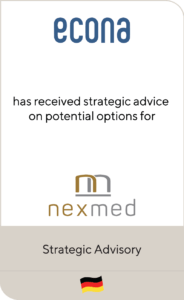
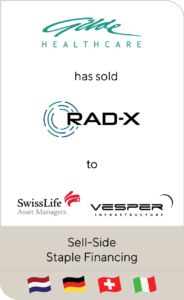
Our experience spans imaging providers, teleradiology businesses, outpatient healthcare platforms and broader healthcare services organizations. Through mandates involving businesses such as Qure.ai, Medigroup, Quartz Healthcare, Econa, Rad-X and numerous other healthcare platforms, we have developed a unique perspective on the opportunities and challenges facing the industry.
Lincoln Diagnostic Imaging Credentials
 |
 |
 |
 |
 |
These transactions provide direct insight into:
|
The observations that follow are informed by our transaction experience and ongoing dialogue with investors, operators and healthcare executives across the market.
Structural Growth Drivers Continue to Strengthen Demand for Diagnostic Imaging
Diagnostic imaging utilization continues to increase as healthcare systems place greater emphasis on preventative care, early diagnosis and data-driven clinical decision-making.
Several long-term trends are supporting growth:
|
Aging Populations
As populations age, healthcare utilization naturally increases. Older patients typically require more frequent diagnostic assessments and imaging procedures across multiple specialties, including oncology, cardiology, orthopedics and neurology. |
Rising Chronic Disease Burden
The prevalence of chronic conditions continues to increase globally. Effective management of these diseases increasingly relies on advanced imaging technologies that support earlier diagnosis, treatment planning and ongoing monitoring. |
|
Growth of Preventative Medicine
Healthcare systems are placing greater emphasis on prevention and early intervention. Imaging plays a critical role in identifying disease earlier, improving patient outcomes and reducing long-term treatment costs. |
Expansion of Specialty Care
The growing sophistication of specialty healthcare services continues to increase demand for advanced imaging capabilities. Imaging is no longer simply a diagnostic tool—it has become an integral component of clinical decision-making across the patient journey. As these trends continue, providers capable of expanding capacity while maintaining high standards of clinical quality will be well positioned to capture growth. |
Workforce Constraints Are Accelerating Innovation
While demand continues to rise, providers face ongoing shortages of radiologists and specialized clinical personnel.
These workforce constraints are creating operational challenges across the industry while simultaneously accelerating adoption of new technologies and operating models.
Organizations are increasingly investing in:
|
These innovations enable providers to improve productivity, reduce report turnaround times and enhance patient access while maintaining clinical quality.
As a result, operational sophistication is becoming an increasingly important competitive advantage.
Providers that successfully leverage technology to augment clinical resources are likely to achieve superior growth and profitability over time.
Market Fragmentation Creates Opportunity
[INSERT GRAPHIC]
The market landscape highlights the breadth of established and emerging imaging platforms operating across multiple geographies. The highly fragmented European diagnostic imaging market is characterized by multinational players of scale and the emergence of new national consolidators, with increased participation from financial investors.
Organizations such as Affidea, Alliance Medical, Evidia, Sanecum, Ortivity, ImaOne, HT Medica, Imagen, Quartz Healthcare and numerous other providers demonstrate the ongoing evolution of the sector toward larger, more sophisticated operating platforms.
While fragmentation remains significant, the direction of travel is increasingly clear: scale matters.
Providers that successfully execute acquisition strategies, integrate operations and build centralized support structures are positioned to benefit from meaningful competitive advantages.
Technology Is Redefining Competitive Advantage
Technology adoption is no longer optional. The most successful imaging organizations increasingly distinguish themselves through their ability to integrate advanced technologies into everyday clinical operations.
Key areas of investment include:
|
Artificial Intelligence
AI-enabled diagnostic solutions are improving efficiency, enhancing clinical decision-making and supporting radiologists as imaging volumes continue to increase. |
Workflow Automation
Automation technologies reduce administrative burden, improve resource utilization and enable providers to operate more efficiently. |
|
Advanced Analytics
Data-driven decision-making is helping providers optimize operations, improve quality outcomes and identify growth opportunities. |
Digital Patient Engagement
Technology-enabled patient interactions are improving access, satisfaction and overall patient experience. Organizations that successfully combine technology leadership with clinical excellence are likely to capture disproportionate market share as the sector continues to mature. |
What Investors and Buyers Value Most
Based on Lincoln International’s experience advising healthcare services and diagnostic imaging transactions, buyers consistently evaluate acquisition opportunities through a common set of operational, strategic and financial lenses.
Key value drivers include:
|
Investors increasingly reward organizations that demonstrate:
|
[INSERT GRAPHIC]
Conversely, fragmented operations, limited growth, insufficient scale and underdeveloped support structures can negatively impact investor appetite and valuation outcomes.
The most attractive businesses increasingly combine operational sophistication with clinical excellence and digital maturity.
The Next Phase of Growth
ADI is evolving from a specialized healthcare service into a critical component of healthcare infrastructure.
Demand fundamentals remain strong. Technology adoption continues to accelerate. Consolidation activity remains robust. Investor interest remains high.
The next generation of market leaders will be defined by their ability to:
|
For management teams, founders and investors alike, the opportunity extends beyond simply meeting growing demand.
The organizations that successfully leverage scale, embrace innovation and build differentiated operating platforms will be best positioned to create sustainable, long-term value in an increasingly dynamic healthcare environment.
| Lincoln International’s extensive experience advising diagnostic imaging providers, healthcare services organizations, private equity sponsors, infrastructure investors and strategic acquirers provides a unique perspective on the trends shaping the future of the sector. As organizations evaluate growth initiatives, acquisitions, partnerships and capital strategies, understanding these evolving market dynamics will be critical to long-term success. |